Two years ago, Leopold Aschenbrenner became known in AI circles for “Situational Awareness,” the essay in which the former OpenAI researcher argued the race to AGI would demand trillions in computing power. This summer, his hedge fund of the same name learned just how expensive that bet can get.
Aschenbrenner started Situational Awareness LP with $225 million in seed money. By mid-2026 it had ballooned to nearly $45 billion, settling around $20 billion after a pullback. The fund posted a 439% gain in the first half of the year, built on concentrated, leveraged bets — up to 4x — on companies supplying the compute AI needs, including former bitcoin miners that had repurposed their rigs into AI data centers.
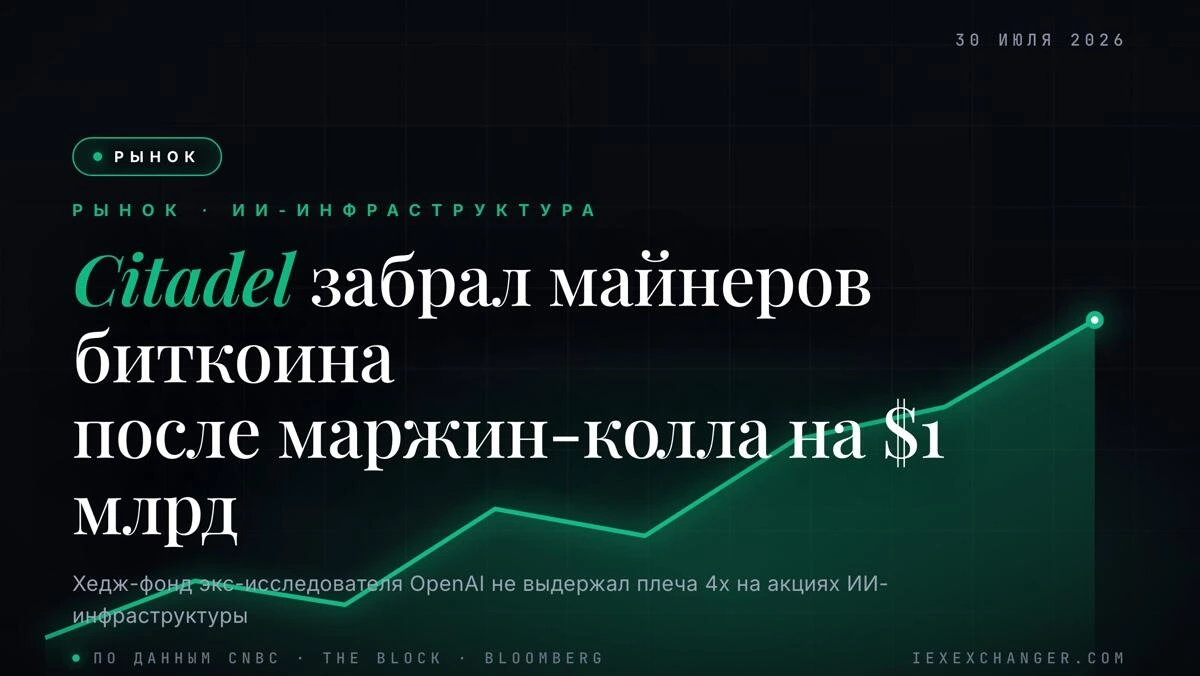
July flipped the script. Weeks of selling across AI-infrastructure and crypto-mining stocks hammered the value of his collateral, and prime brokers Goldman Sachs, JPMorgan and Bank of America came calling for more margin. To cover it, Situational Awareness had to unload nearly its entire public book — north of $1 billion spread across six names: IREN, Core Scientific, Riot Platforms, CleanSpark, Bitdeer and HIVE Digital.
Ken Griffin's Citadel scooped up most of the shares. The twist: news of the fire sale sent those same stocks higher. IREN jumped 27% on Thursday, while the other five each gained roughly 20%, as traders read the cleared overhang as a buy signal rather than a warning sign.
The fund kept its roughly $5 billion private stake in Anthropic — untouched by the margin call — and will carry on as a private investor with no public positions left. The lesson lands hard: even a correct thesis about AI's future can't protect a portfolio from leverage when the market corrects faster than the story plays out.