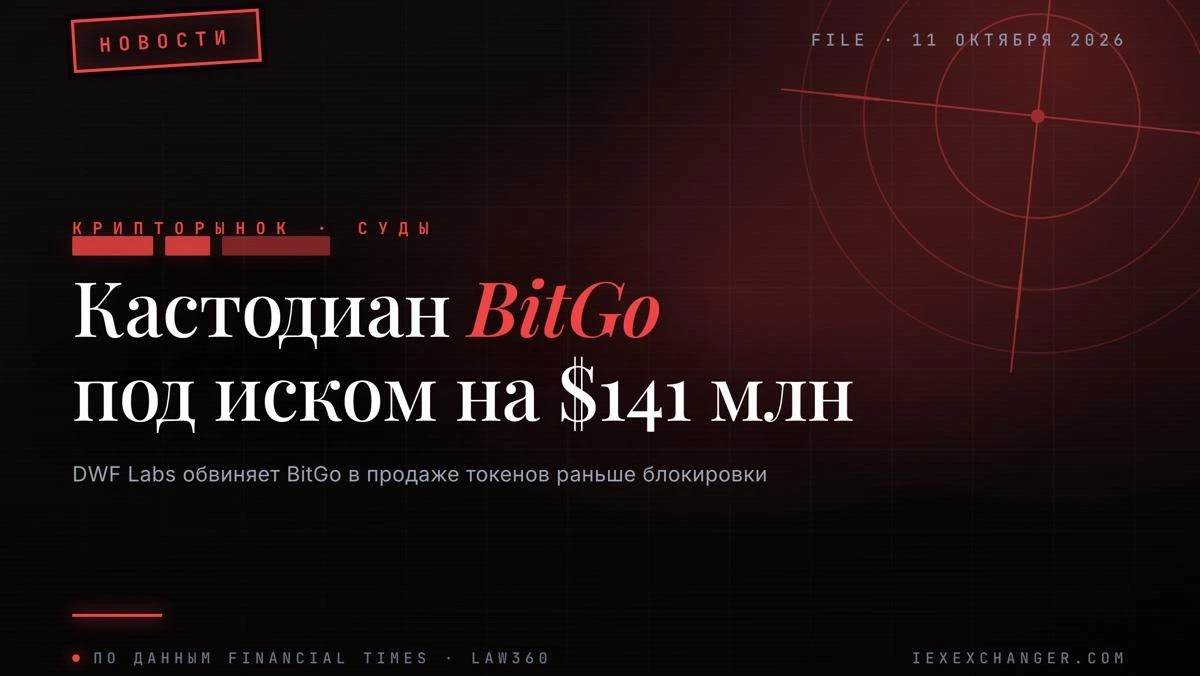
Two funds tied to crypto market maker DWF Labs are taking custodian BitGo to court over $141 million. DWF Maas and Falcon Digital filed the suit in London's High Court, arguing that BitGo broke the one promise a custodian is supposed to keep: holding tokens untouched until a lock-up period runs out.
The mechanics are straightforward. Under the private sale agreement, Falcon Finance (FF) and ESPORTS tokens were meant to sit locked for three months, then unlock gradually on a vesting schedule. DWF paid a discounted price for exactly that guarantee — no early supply hitting the market. Instead, the lawsuit claims, BitGo moved the tokens to exchanges roughly two months before the lock-up expired, putting them up for sale while holders still believed they were frozen.
The price damage was brutal. FF slid from 8 cents to 7 cents between early March and late April. ESPORTS fell from 28 cents to 7 cents by early June, including a drop of more than 90% in May after large transfers from DWF-linked wallets hit the market within days. DWF now pegs its losses on the remaining holdings at $141 million.
A custodian in crypto is supposed to work like a safe-deposit box: a project or investor hands over tokens, trusting nobody touches them before an agreed date. Lock-ups exist so early backers can't flood a freshly listed token and tank it. If the custodian itself breaks that arrangement, the whole trust structure behind private token sales falls apart.
BitGo has declined to comment, and no court has established the facts — the company is entitled to defend itself, and DWF's version could turn out to be wrong. But the timing is awkward. BitGo is already fighting Galaxy Digital over a collapsed $1.2 billion acquisition and facing a shareholder lawsuit tied to its January IPO. One more dispute over broken promises to clients is not what a newly public custodian needs while it's trying to court institutional business.