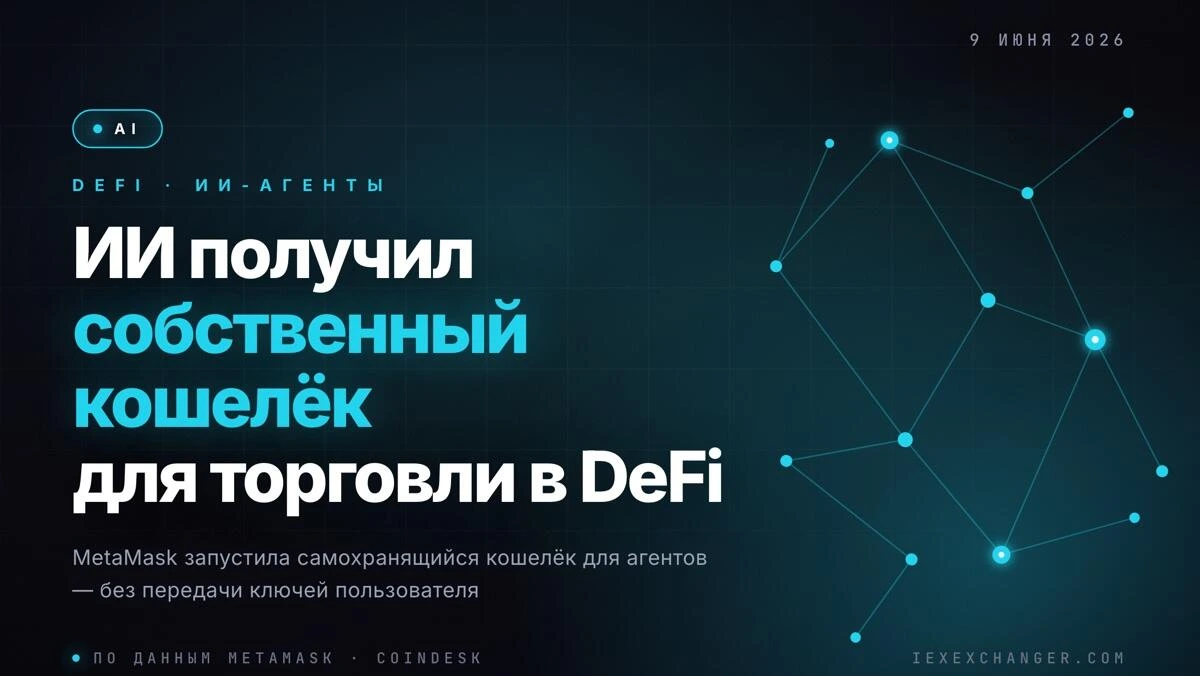
For any AI agent that wanted to trade DeFi on its own, the options were awkward: hand over the wallet's private keys and trust the agent not to drain everything, or keep a human in the loop to sign every transaction. Neither scales. On June 8, Consensys launched early access to MetaMask Agent Wallet — a self-custodial wallet built specifically for AI agents, where the keys stay with the user.
The wallet gives agents access to swaps, perpetual futures, prediction markets, and LP positions across 10 chains: Ethereum, Arbitrum, Base, Optimism, Polygon, Avalanche, BSC, Linea, Sei, and Hyperliquid. It runs through a CLI interface and is framework-agnostic — it plugs into OpenAI, Claude, Nous Research, and Cursor without requiring teams to rethink their architecture.
The security architecture is what separates this from a plain hot wallet. Every transaction goes through Blockaid before execution: threat scanning, simulation, and MEV protection run automatically. In Guard Mode — the default — users define daily spending limits and protocol allowlists. The agent works inside those rules; step outside and the transaction freezes until the user approves via 2FA. Beast Mode cuts down on interruptions but still requires human sign-off on anything flagged as malicious. Transactions assessed as safe carry coverage of up to $10,000.
Consensys CEO and Ethereum co-founder Joe Lubin put it directly: "Agents will manage real capital and make real financial decisions, and the infrastructure underneath has to be worthy of that." The company has been positioning itself around agentic finance for some time — this is the first time that strategy has shipped as a concrete product.
About 200 traders and developers are in the early access program now, with a broader rollout expected this summer. The open question the product raises: when an AI agent makes a bad trade, who is responsible — the user, the model developer, or the protocol? MetaMask's security model is a starting answer, but the industry has not settled on the rules yet.