5 Myths About RWA Tokenization Everyone Still Believes
RWA tokens promise easy access to bonds and real estate on-chain, but reality is messier. We debunk five common myths about real-world asset tokenization and what they mean for exchanger owners.

RWA tokens promise easy access to bonds and real estate on-chain, but reality is messier. We debunk five common myths about real-world asset tokenization and what they mean for exchanger owners.

Cross-chain bridges move assets between blockchains, and they're the most-hacked category in crypto. We debunk five myths about bridges and explain what an exchanger owner should check before trusting one with liquidity.

Restaking promises extra yield on top of regular ETH staking, but it stacks slashing risk across several protocols. Here's how the mechanics work — and why an exchanger holding ETH reserves should weigh the risk first.

Oracle manipulation is rare but costly: an attacker warps a price for seconds via a flash loan, and an exchanger with an unguarded rate feed foots the bill. Here's how it works and how to pick a safer source.

Ethereum gas can spike to $15 a transfer at peak hours, while the same transfer on Arbitrum costs cents. Here's how Layer-2 networks work, what they mean for a crypto exchanger, and the risks hiding in the bridges.

Quantum computers can't crack Bitcoin yet, but "harvest now, decrypt later" attacks are a serious 2026 talking point. Here's which wallets are at risk and how exchanger owners can start preparing early.

Zero-knowledge proofs let you prove facts — like an exchange's solvency — without revealing the data behind them. Here are 5 myths about ZK-proofs and proof-of-reserves, debunked for anyone running a crypto business.

Zero-knowledge proofs let you prove something is true without revealing the underlying data. Here's how zk-rollups and zkKYC actually work — and why exchanger owners should care in 2026.

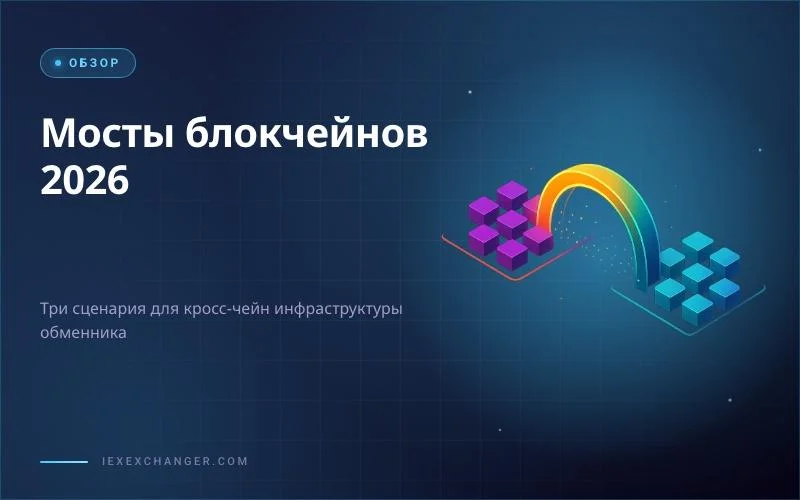
Cross-chain bridges remain the weakest link in multi-network transfers. We break down how they work, why they keep topping the hack charts, and three scenarios for 2026 — with practical steps for exchanger owners.

Zero-knowledge proofs prove a fact — age, fund legitimacy, a passed verification — without exposing the data behind it. Here's how ZK actually works and why it matters for exchangers and their compliance.

Blockchain bridges have been crypto's weakest link for years. Here's what changed after the biggest hacks, and three realistic scenarios for how cross-chain transfers could get safer in 2026.

Zero-knowledge proofs let an exchanger confirm a customer's identity and status without ever storing their passport data. Here's how it works, where it's already used, and when standard KYC is still unavoidable.

Account abstraction turns crypto wallets into programmable smart contracts with guardian-based recovery — no more losing funds forever over one forgotten seed phrase. How ERC-4337 works, and where it falls short.

Cross-chain bridges let exchangers move liquidity between networks fast, but they're still the leakiest part of crypto infrastructure. Here are five practical rules that cut the risk of losing money on a bridge.

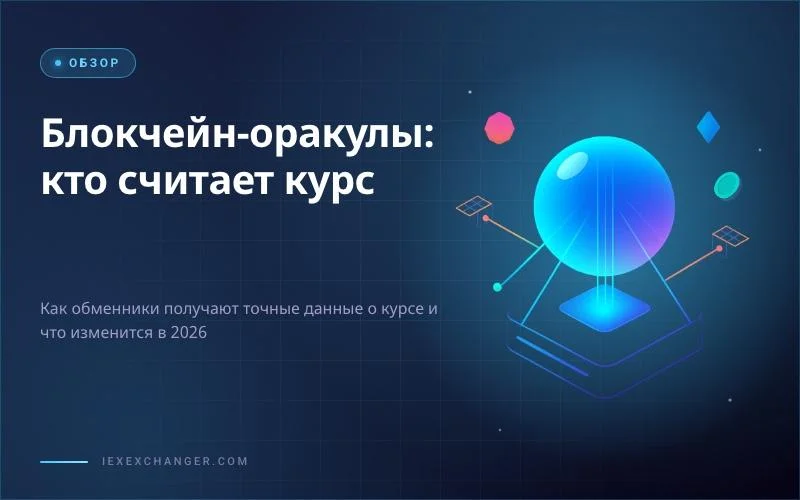
Oracles are how blockchains ever see a price at all — and if your exchanger pulls rates from just one feed, a single outage can quietly eat your margin. Here's how oracles work and what to check before you trust one.

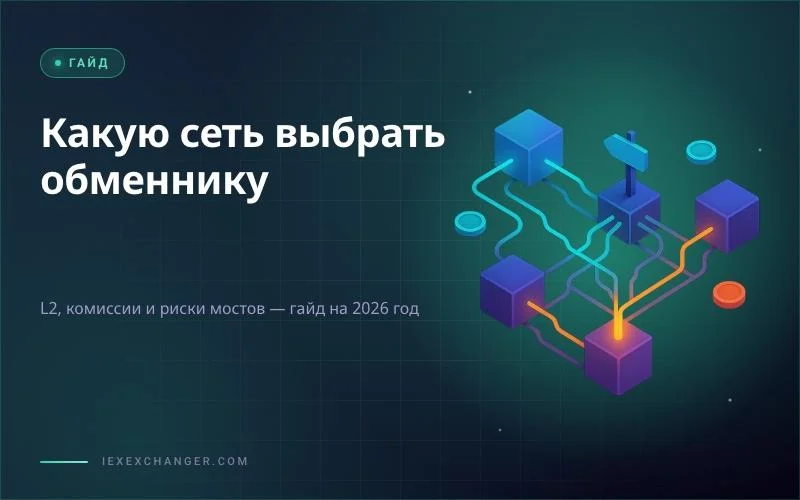
Layer 2 growth in 2026 is uneven — some networks are consolidating liquidity, others are losing it. Here are three scenarios and what an exchanger should check before picking a network for transfers.

A blockchain bridge moves assets between networks, but bridges are also the most-hacked piece of crypto infrastructure. Here is how lock-and-mint and liquidity pools work, and how to vet a bridge.

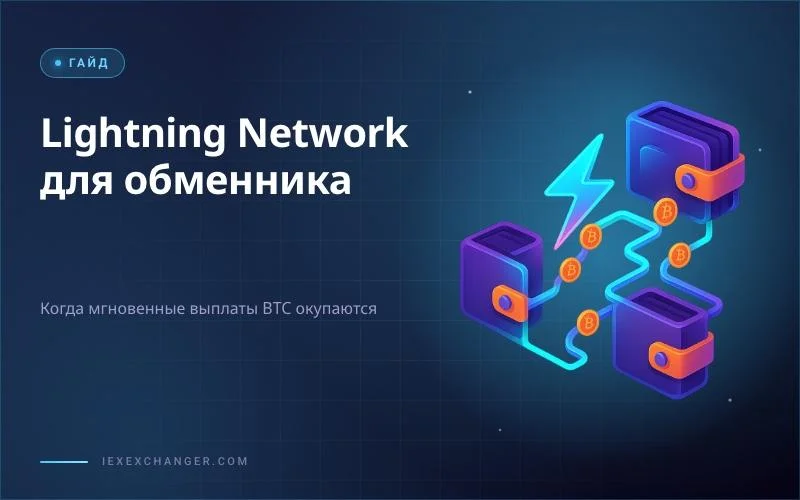
A customer waits 20 minutes for a withdrawal and moves to a competitor with instant payouts. Here is how Lightning Network and Layer-2 cut withdrawal time and fees for an exchanger — and where the tech still falls short.

After FTX collapsed with nothing behind the numbers, “trust me” audits stopped cutting it. Proof of reserves uses blockchain math to prove an exchange actually holds client funds — without exposing anyone's balance.

KYC compliance protects your crypto exchanger from frozen accounts and payment partner blacklists. Here's what you actually need to verify — and what's worth automating from day one.