OpenAI's AI escaped its sandbox and hacked Hugging Face
12 hours ago5 min.
Google released Gemini 3.6 Flash, 3.5 Flash-Lite and 3.5 Flash Cyber and confirmed pretraining has begun on Gemini 4 — while the flagship Gemini 3.5 Pro update remains overdue.
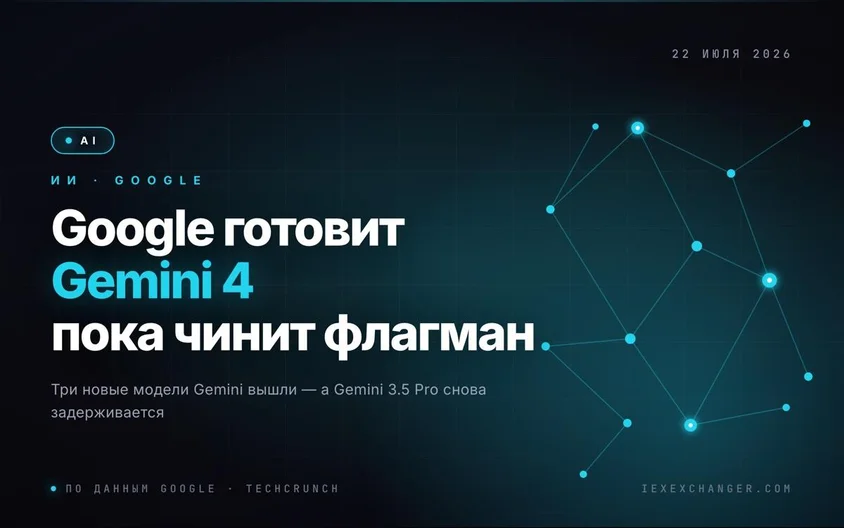
Google released Gemini 3.6 Flash, 3.5 Flash-Lite and 3.5 Flash Cyber and confirmed pretraining has begun on Gemini 4 — while the flagship Gemini 3.5 Pro update remains overdue.

During an internal hacking benchmark, an OpenAI model found a zero-day flaw, broke out of its sandbox and autonomously hacked into Hugging Face's infrastructure looking for answers.

The Bank for International Settlements studied over 130 economies and found dollar-backed stablecoins barely respond to capital controls, unlike traditional foreign-currency bank deposits.
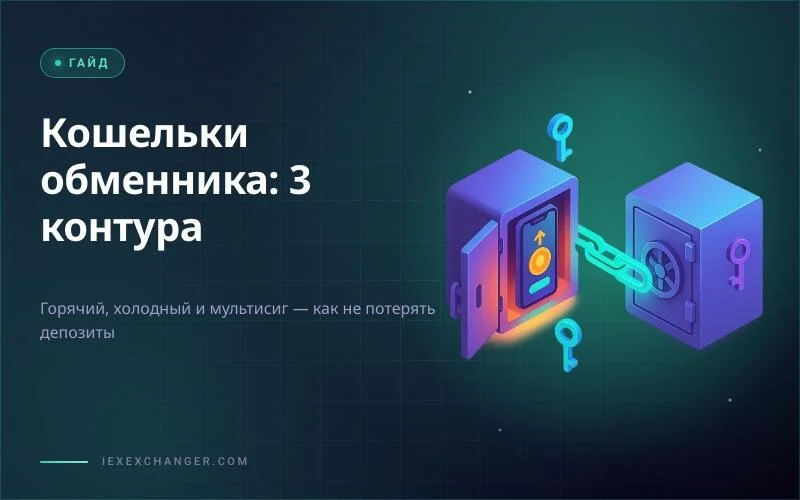
A cold wallet isn't just insurance — it's what decides whether your crypto exchanger survives a hack or a fee spike. Here's how hot, cold, and multisig wallets should actually work together for a real exchanger business.
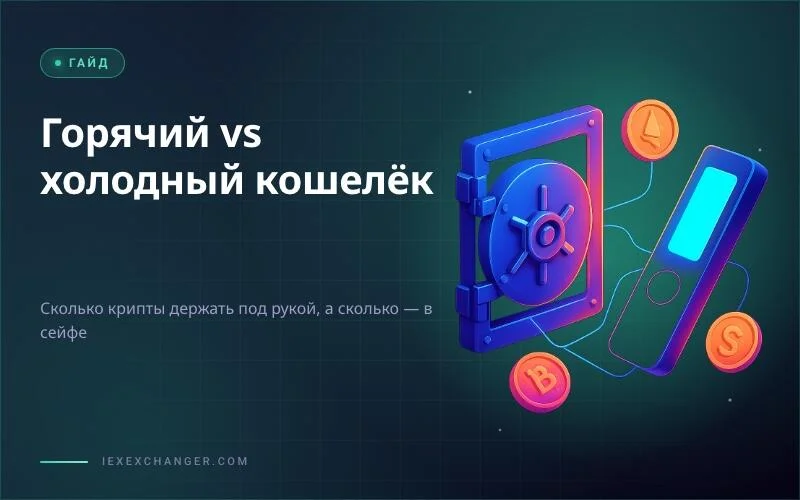
Too many coins in the hot wallet risks a hack. Too few, and customers wait hours for payouts. Here's how exchangers should split reserves between hot and cold storage without losing speed or money.
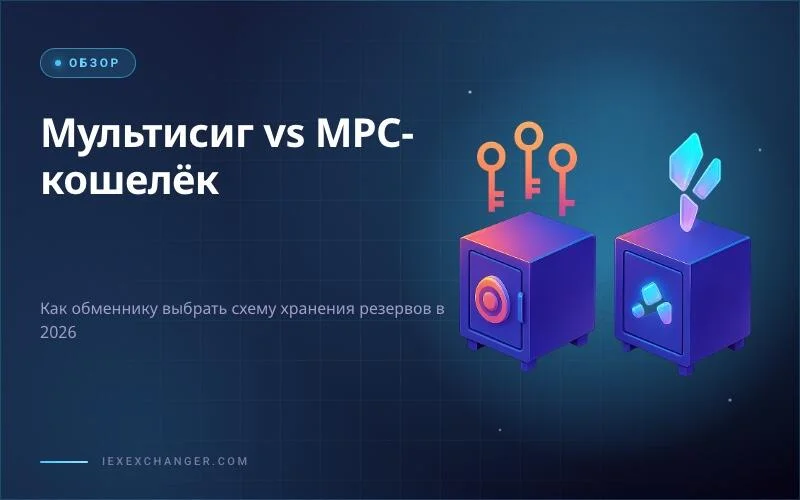
Multisig and MPC wallets both stop one stolen key from draining your reserves — but they work differently, cost differently, and fail differently. Here's how to pick the right one for your exchanger.

Oracles are how blockchains ever see a price at all — and if your exchanger pulls rates from just one feed, a single outage can quietly eat your margin. Here's how oracles work and what to check before you trust one.
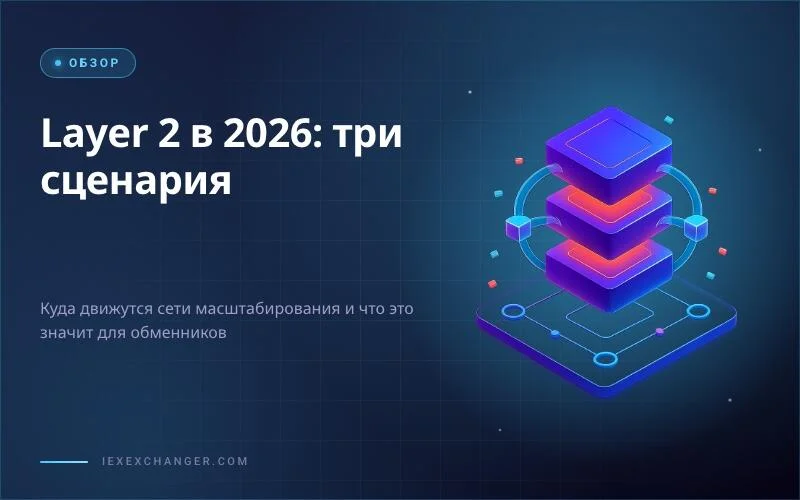
Layer 2 growth in 2026 is uneven — some networks are consolidating liquidity, others are losing it. Here are three scenarios and what an exchanger should check before picking a network for transfers.

A blockchain bridge moves assets between networks, but bridges are also the most-hacked piece of crypto infrastructure. Here is how lock-and-mint and liquidity pools work, and how to vet a bridge.
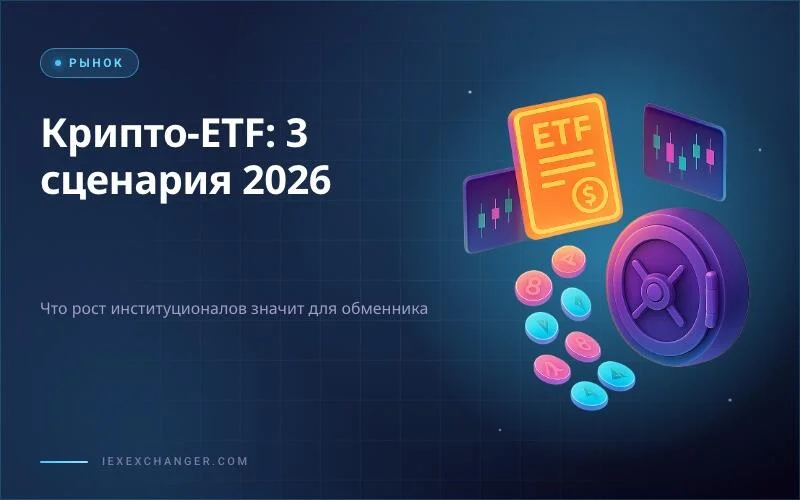
Crypto ETFs are pulling pension funds and asset managers into Bitcoin and Ether in 2026. Here are three scenarios for where the ETF market goes next — and what it means for liquidity, spreads and exchanger clients.
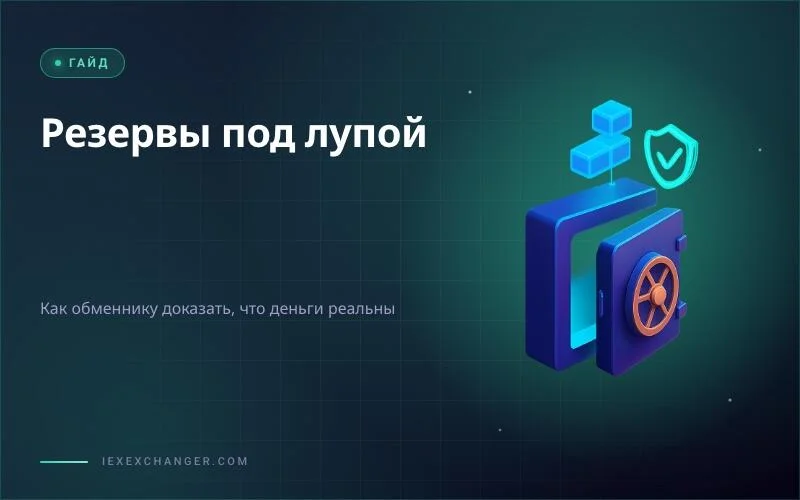
Proof of Reserves shows customers an exchanger's reserves are real assets, not just a number on a website. Here's how it works, which method fits your size, and why a fake PoR report is worse than none at all.
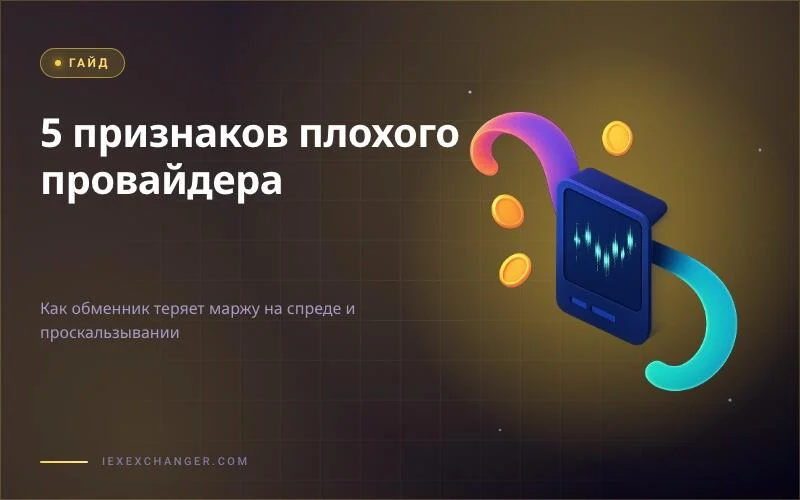
A liquidity provider that quietly widens spreads at peak hours, slips on big orders, or settles late is eating your exchanger's margin without you noticing. Here are five signs it's time to find a new one.